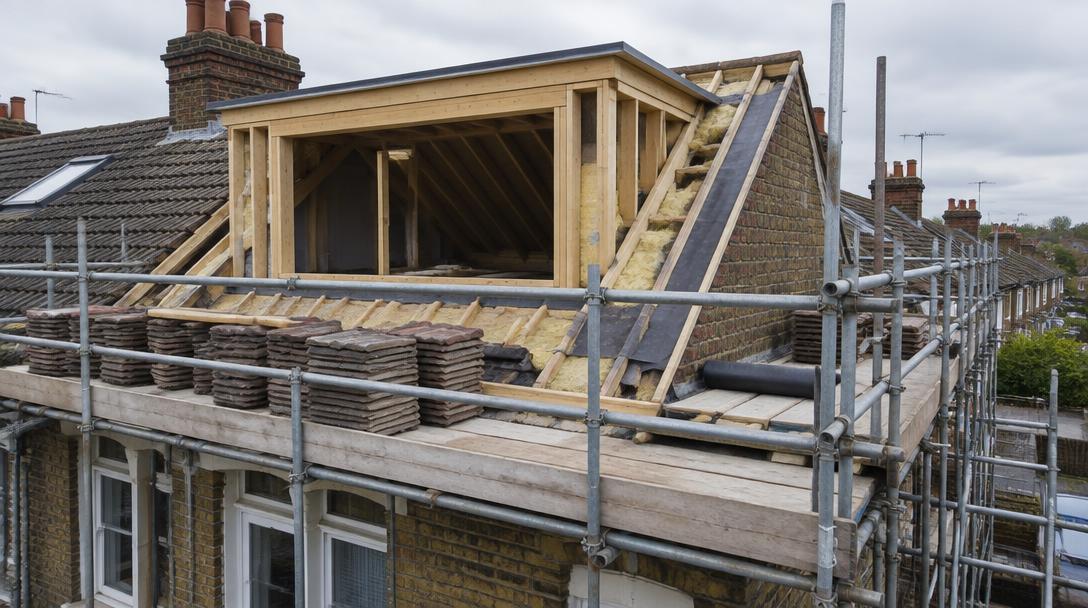
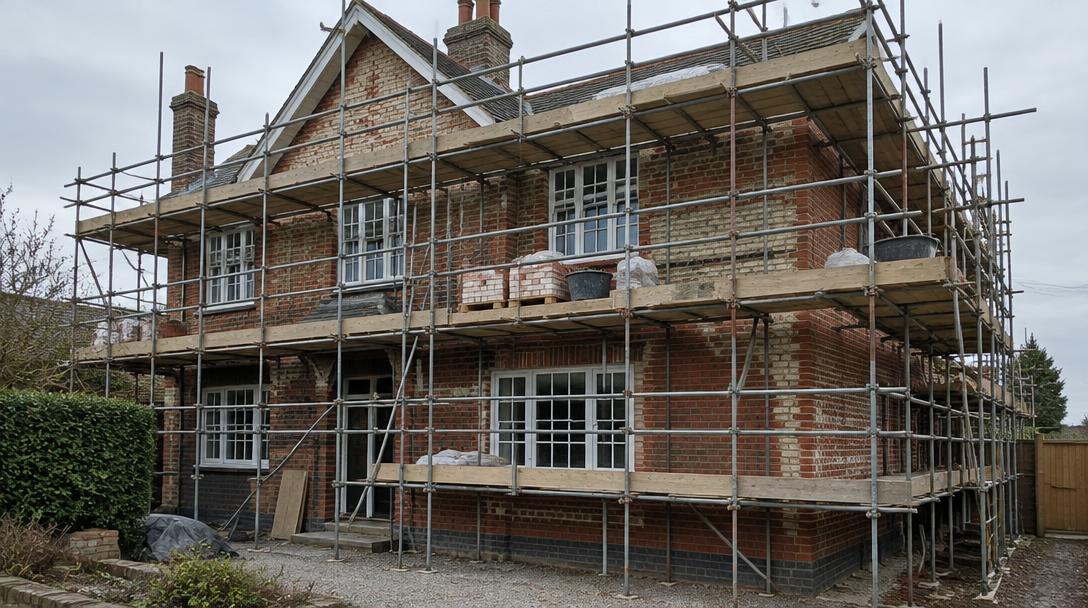
A building survey can identify signs of extensions, conversions and other alterations. It can help put those changes in context and flag where your legal adviser should make further checks. It does not confirm legal compliance, verify every alteration date or replace planning, building control or specialist advice.
1948
The modern planning system began on 1 July 1948 in England and Wales. This is a useful starting point when looking at a home's extensions or changes of use, although not every alteration needs planning permission. A building survey can highlight signs of previous work and help your legal adviser decide which planning records to check. The age of an alteration alone does not prove that it is lawful, and listed buildings have separate controls.
1966
The first national Building Regulations came into force on 1 February 1966, setting standards for building work in England and Wales. They did not initially apply to Inner London, where the London Building Acts continued to operate. Earlier homes could also be subject to local building rules. A survey may identify extensions, structural alterations or conversions that warrant a check of the building control records, but it cannot confirm that the correct approvals were obtained or that hidden work complies.
1985
11 November 1985 is the important cut-off date for Building Regulations regularisation, a process through which a local authority can consider retrospective approval for unauthorised work carried out on or after that date. Regularisation is not automatic and may involve opening up the work, inspections and remedial repairs. A building survey can flag alterations where records appear to be missing, while your legal adviser and the local authority can establish whether regularisation is available and appropriate.
1997
The Party Wall etc. Act 1996 came into force on 1 July 1997 in England and Wales. It provides a process for certain works affecting shared walls, boundary structures and nearby excavations. Examples include removing a chimney breast from a party wall and loft conversions where steel beams are inserted into a party wall. A survey can highlight signs of these alterations and concerns about their support, while your legal adviser can check relevant notices, written consents or party wall awards. Not every alteration falls within the Act, and a survey does not confirm that the required process was followed.
2002
From 1 April 2002, replacement windows and certain glazed doors in homes in England and Wales came within the Building Regulations requirements for replacement glazing. Approval may be evidenced by a building control certificate or a certificate from a suitable competent person scheme, such as FENSA or CERTASS. A survey can comment on the visible condition and apparent age of the windows and flag missing evidence for your legal adviser to investigate. It cannot establish the installation date or certify compliance just by looking at the glazing.
2005
Part P of the Building Regulations came into effect on 1 January 2005, introducing electrical safety requirements for work in homes in England and Wales. Some work, such as installing a new circuit, also needs building control notification or certification through a registered installer, with the notification rules changing over time. A survey may identify visible changes or reasons for further investigation, but it is not an electrical test. Your legal adviser can check the relevant paperwork, and a qualified electrician can assess the safety of the installation.
2011
On 1 October 2011, most private sewers and lateral drains connected to the public sewer network before 1 July 2011 transferred to water and sewerage companies in England and Wales. This means a shared pipe beneath a garden or extension may now be a public sewer, even if it was once privately maintained. Building over or close to a public sewer may require the water company's agreement, depending on the pipe and the proposed work. A survey can highlight visible drainage features and extensions, while your legal adviser can check drainage searches and any build-over agreement. An older extension does not automatically need retrospective agreement simply because the sewer later transferred.